Burnout rarely begins with workload alone. It begins with how you carry the workload. It begins with what you tell yourself while you are carrying it. And it begins with how often you override your own limits in the name of being capable.
Most of the women I work with are motivated. They are responsible, driven, dependable; They follow through. They show up; They are the ones everyone counts on. But they’re tired. Not just physically tired, emotionally tired. And that kind of exhaustion doesn’t come from one hard week or one overwhelming month. It builds slowly, when pressure is constant and recovery is optional.
We have normalized functioning at full capacity; We have normalized pushing through headaches, tight shoulders, racing thoughts, and short tempers; We have normalized telling ourselves that once this season passes, then we’ll rest. But there is always another season.
That is why learning to practice emotional fitness matters.
What is emotional fitness?
Emotional fitness is the ability to notice what is happening internally and respond to it before it escalates. It requires self awareness, mindfulness, and resilience to keep stress from hardening into burnout.
Emotional fitness is not about checking another or performing another routine. Like physical fitness, it requires regular strength building and mainenance that enables you to better manage stress, challenges, and relationships.
Here are five simple ways to practice emotional fitness in just a few minutes a day.
1. Do a 3-Minute Emotional Check In
You cannot handle what you don’t notice, and most of us are much more aware of our to do list than we are of our own feelings.
We move from meeting to email to carpool to dinner, and we rarely stop long enough to consider what is actually going on inside of us; We brush off frustration because it feels inconvenient, and we push down disappointment because we don’t want to seem ungrateful; We ignore the tight feeling in our chest because there is no time to deal with it, and we tell ourselves we’ll slow down later.
But feelings don’t disappear just because you ignore them. They wait, and then they show up later as snapping at someone you love or feeling resentful for no clear reason. They show up as exhaustion that feels bigger than the day you just had.
A three minute emotional check in can change that.
Set a timer, close your laptop, and give yourself space to name what is happening. Notice what you’re feeling right now; Notice what caused it; Notice what you need.
At first, the answers may feel simple. Tired. Fine. Stressed. But as you keep practicing, you’ll start to get more honest.
You may realize you’re frustrated because you agreed to something you didn’t want to do; You may notice you’re anxious because you’re avoiding a hard conversation; You may see that you’re overwhelmed because you haven’t asked for help.
That kind of honesty is where emotional fitness begins.
You’re not fixing your whole life in three minutes, and you’re not solving every problem. But you’re breaking the habit of ignoring yourself. And that small pause can keep stress from turning into burnout.
2. Rewire Your Self Talk to Build Emotional Fitness
You can be highly capable and deeply self critical at the same time. In fact, many high achieving women are. They are praised externally and punishing themselves internally.
I should be better at this;
I am behind;
I always drop the ball.
Why can everyone else handle this and I cannot?
That voice is draining, even if you are used to it. And the more pressure you are under, the louder it gets.
Pick one recurring thought from this week and write it down. Seeing it on paper helps you separate from it. Then ask yourself whether it is fact or fear.
Most of the time, it is fear speaking with certainty. When we are stressed, our brains default to extremes. Always. Never. Everyone. No one. It feels true because it feels intense, but intensity is not the same as accuracy.
Replace the distortion with something grounded and fair.
Instead of telling yourself, I am terrible at this, pause and tell the truth. You are not terrible. You are new. Or stretched. Or uncomfortable. And uncomfortable does not mean incapable.
Instead of thinking, I should be able to handle this, notice the pressure inside that word should. Who decided that? Based on what? Maybe this feels heavy because it is heavy. Maybe you are carrying more than most people can see.
And when your brain jumps to, I am failing, zoom out. Failing at what, exactly? Or are you navigating something layered and imperfect and real? There is a difference.
The way you talk to yourself matters more than you realize. Because when your inner voice is harsh, your whole body feels it. Your chest gets tight. Your shoulders stay tense. You lose patience faster than you want to.
But when that voice shifts, even a little, something changes. You breathe easier; You think more clearly; You stop feeling like you are fighting yourself all day long.
Burnout does not only come from doing too much. It comes from putting pressure on yourself while you are doing it. And a lot of that pressure is coming from inside your own head.
When you change the way you speak to yourself, you are not lowering your standards. You are removing extra weight that you were never meant to carry.
3. Reset Your Nervous System to Reduce Stress
Sometimes burnout isn’t a mindset problem. It’s a nervous system problem.
Chronic stress keeps your body in a constant state of low level threat. You might not feel panicked, but you feel wired. Your shoulders stay tight; Your jaw is clenched; Your breathing is shallow. You react faster than you want to, and you have less patience than you used to.
That isn’t weakness. It’s your body doing exactly what it was designed to do under pressure.
A simple breathing pattern can help reset that before stress builds on top of stress:
- Inhale for 4 counts
- Hold for 4 counts
- Exhale for 4 counts
- Hold for 4 counts
- Repeat 4-6 times.
It sounds almost too simple, but it works because it tells your body that you’re safe.
Try it before a difficult meeting; Try it after reading an email that hits a nerve; Try it in your car before walking into your house so you’re not carrying your workday into your family.
Emotional fitness isn’t only about thinking differently. It’s about helping your body calm down so your mind can catch up. And when your body feels steadier, you make better decisions. Your tone softens. Your clarity comes back.
Even a few minutes of that reset can keep stress from turning into full blown burnout.
4. Audit Your Boundaries Before You Burn Out
Burnout rarely comes from one dramatic decision. It usually comes from a pattern of small yeses that were never questioned.
Yes to one more responsibility;
Yes to staying late;
Yes to handling something that could have been delegated;
Yes to doing it yourself because it feels faster and easier than explaining it.
Over time, those yeses add up. And what started as being helpful slowly turns into being depleted.
Instead of waiting until you’re exhausted, look at your week while you still have perspective. Not when you’re drained and everything feels urgent. Earlier. When you can think clearly.
Notice where you’re overcommitting; Notice where you’re saying yes out of guilt instead of alignment; Notice where you’re carrying something that doesn’t actually belong to you.
Then choose one boundary to reinforce before the week begins. It doesn’t have to be dramatic; It might be leaving on time one day; It might be delegating something you normally take on; It might be saying no without over explaining.
Emotional fitness means recognizing your limits before you crash into them. It means understanding that capacity isn’t endless, even if you’re capable.
Protecting your energy isn’t selfish. It’s self respect in real time.
5. Ask Yourself What You Want Each Week
Many women are incredibly good at knowing what everyone else needs. They can manage a team, support a partner, coordinate a household, and show up for friends without missing a detail. They know what’s expected of them, and they deliver.
But when it comes to what they want, there’s often a pause.
And that pause matters more than we think.
Take five minutes at the start of the week and turn the focus back on yourself. Ask what would actually feel supportive. Notice what you need more of. Notice what you need less of. Pay attention to where you’re stretching yourself in ways that don’t feel aligned anymore.
Write it down without shrinking it. Don’t make it more convenient. Don’t talk yourself out of it. Just acknowledge it.
Because when you ignore your own needs long enough, resentment starts to build. And resentment doesn’t show up loudly at first. It shows up as irritability. As distance. As exhaustion that feels deeper than it should.
Burnout isn’t random. It builds when you leave yourself out of the equation.
Practicing emotional fitness means putting yourself back in it. It means recognizing that your needs aren’t distractions from your goals. They’re what make those goals sustainable.
Emotional Fitness Is a Daily Practice
Practicing emotional fitness doesn’t require hours. It requires attention:
- 3 minutes of awareness
- 5 minutes of reframing
- 5 minutes of breathing
- 10 minutes of protecting a boundary
- 5 minutes of honest clarity
That’s it.
And when you practice emotional fitness consistently, you lower your stress before it turns into burnout. You stop abandoning yourself while you’re trying to succeed. You start making decisions that match what you actually need, not just what everyone else expects.
This is how confidence grows. Not from hype. Not from pretending you’re fine. But from aligning your actions with your inner voice instead of fighting it.
Emotional fitness is about coming back to yourself before exhaustion forces you to. It’s about recognizing that pressure doesn’t get to decide who you become. You do.
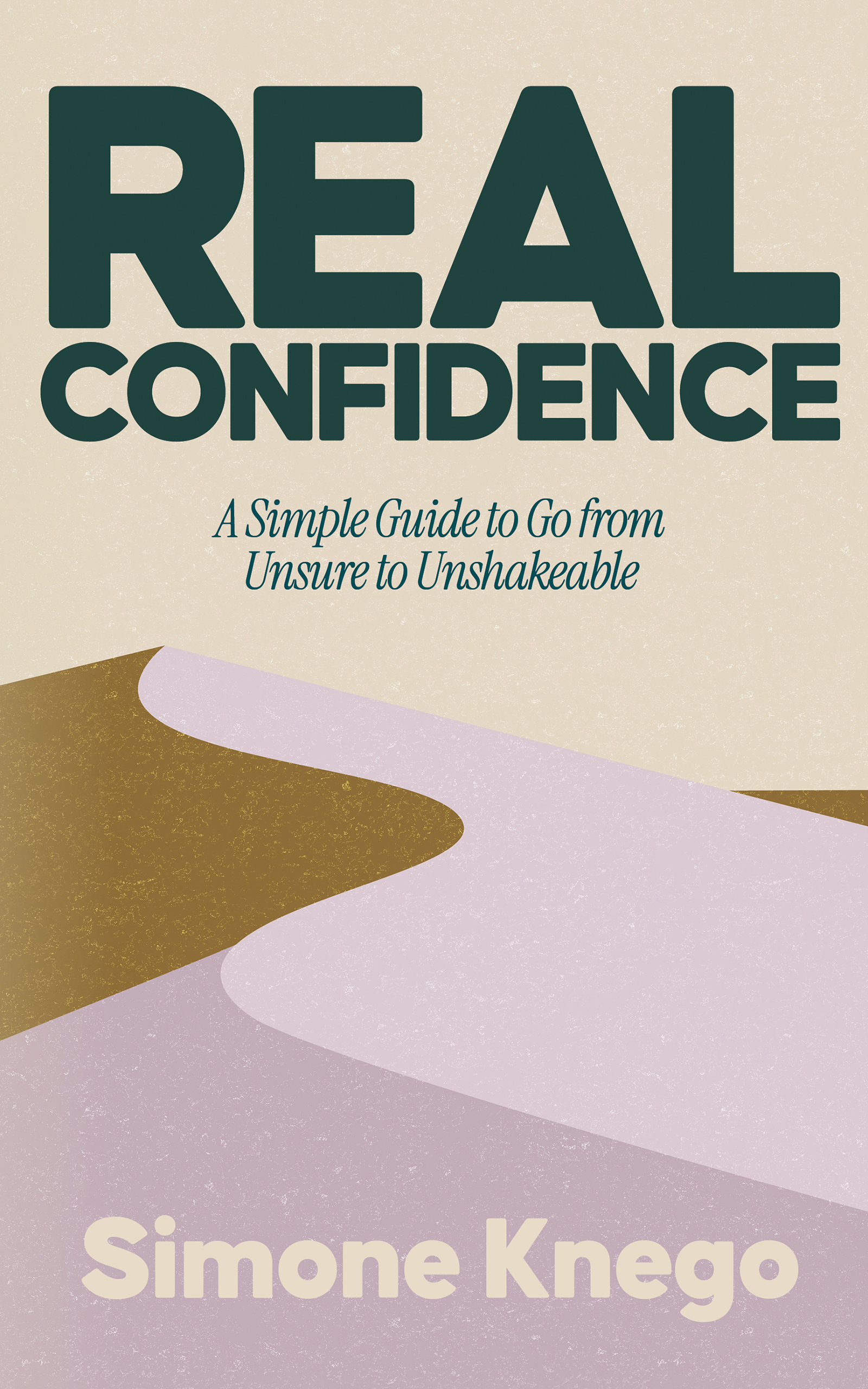
And if you want practical tools to strengthen self respect, shift your internal dialogue, and build real confidence that lasts, I go deeper into this inside REAL Confidence.
You can learn more at realconfidencebook.com.