By Simone Knego | Confidence Coach, International Keynote Speaker & USA Today Bestselling Author of REAL Confidence
Think about the last time someone on your team had a great idea but didn’t say it out loud. Or the meeting where everyone nodded along even though nobody actually agreed. Or the employee who quit, not because of pay, but because they never felt like they belonged at the table.
That’s not a communication problem, that’s not a management problem, that’s a confidence problem, and it’s costing your organization more than you realize.
“Confidence isn’t a personality trait. It’s a culture you either build intentionally, or let erode accidentally.”
Most leaders focus on strategy, systems, and results. And those things matter. But underneath every high-performing team is something less tangible and far more powerful: people who believe their voice matters, their work counts, and they are safe to show up fully.
When that’s missing, everything suffers. Quietly. Slowly. And often invisibly, until it isn’t.
What a Low-Confidence Culture Actually Looks Like
It doesn’t always look like a team in crisis. Sometimes it looks like a team that’s just fine. Meetings run on time. Deliverables get submitted. Nobody’s fighting. But nobody’s pushing forward either.
Here are the signs worth paying attention to:
People over-qualify their ideas. Phrases like “This might be a dumb question, but…” or “I don’t know if this is right, but…” signal that someone doesn’t feel safe enough to speak without a buffer. This is one of the most common signs of low workplace confidence, and it shows up in rooms at every level.
Mistakes get hidden instead of learned from. When confidence is low, failure feels personal and dangerous. So people cover their tracks instead of being honest about what went wrong. That pattern kills the psychological safety that high-performing teams depend on.
Only the loudest voices shape decisions. Not the best ideas. Just the most confident delivery. And that means the team is leaving real insight on the table every single day.
Top performers start walking. Talented people know their worth. If your culture doesn’t reflect it back to them, they’ll find one that does. Research from Gallup consistently shows that employees don’t leave companies, they leave cultures.
The Real Cost: It’s Not Just Morale
We tend to frame confidence as a “soft” issue. Something nice to have, but not quite as pressing as revenue or retention. That framing is exactly backwards.
According to research published in Harvard Business Review, teams with high psychological safety, which is essentially confidence at the group level, outperform those without it across nearly every metric: innovation, decision quality, and even financial results.
When people don’t feel confident, they don’t innovate. They don’t take the calculated risks that move a business forward. They execute, but they don’t elevate. And that gap between executing and elevating? That’s where competitive advantage either lives or dies.
The McKinsey Institute has found that inclusive, psychologically safe environments are directly tied to stronger business performance. This is not a feel-good initiative. It’s a business strategy.
Confidence Is Contagious, In Both Directions
Here’s what most leaders miss: confidence is not something people either have or don’t. It’s something that gets reflected back to them by their environment. You have enormous influence over whether that reflection builds people up or wears them down.
When a leader interrupts, dismisses, or simply forgets to acknowledge, people learn to shrink. When a leader invites, affirms, and stays curious, people learn to expand.
“The most powerful culture change doesn’t happen in an all-hands meeting. It happens in the small moments, the ones you don’t think anyone is watching.”
That’s what creating a culture of confidence actually means. It’s not a training program or a values poster on the wall. It’s a series of daily choices about how you treat the humans in your orbit.
This is the core of what I teach in my work as a keynote speaker on confidence and leadership. The leaders who build the strongest teams are not the loudest or most charismatic. They’re the ones who make it safe for everyone else to be confident, too.
What a Confident Culture Actually Feels Like
I want to be clear about something: a culture of confidence doesn’t mean a culture where everyone is bold, loud, and certain all the time. That’s not confidence. That’s performance.
Real confidence, the kind that actually moves teams forward, looks quieter than you’d expect. It looks like someone raising a concern in a meeting without apologizing for it first, it looks like a team debriefing a failed project without throwing anyone under the bus. It looks like a new hire asking a question on their second day because they already feel safe enough to not know everything.
I’ve seen this up close, both in my own life and in the organizations I work with. When people feel genuinely confident, they stop protecting themselves and start contributing. They take ownership, they collaborate instead of compete. They tell you the truth, even when it’s uncomfortable, because they trust that honesty won’t cost them.
That’s the culture every leader says they want. And it starts with confidence, not the kind that comes from a one-day workshop, but the kind that gets built slowly, deliberately, through the way you show up every single day.
Four Ways to Start Building It Right Now
You don’t need a new strategy. You need new habits. Here’s where to start:
Ask for ideas before you share your own. When leaders lead with their opinion, everyone else adjusts their answer to match. Try opening meetings with “What are you all seeing?” before you offer your take. This one shift changes the dynamic in the room.
Normalize not knowing. When leaders say “I don’t know, let’s figure it out,” they give everyone permission to be human. Certainty is not a leadership requirement. Integrity is. The most confident leaders I’ve worked with are the ones most comfortable saying “I need more information.”
Celebrate the attempt, not just the outcome. If the only thing you recognize is the win, you’re training your team to play it safe. Acknowledge the risk taken, the problem identified, the hard conversation someone finally had. This is one of the core principles in my REAL Method™, and it’s the one that changes team culture fastest.
Notice who isn’t speaking. In every meeting, someone is holding back. Make it a practice to create space for quieter voices, not by putting people on the spot, but by genuinely signaling that their perspective matters. Ask by name. Follow up. Mean it.
The Bottom Line
You can hire the most talented people in the world, but if they don’t feel confident enough to bring their full selves to work, you’re only getting a fraction of what they have to offer.
I think about this a lot, especially as someone who spent years not feeling confident enough to take up space in my own life, I know what it’s like to have something to say and talk yourself out of saying it. I know what it costs, personally and professionally, to shrink when you could be stepping forward.
And I also know what’s possible on the other side of that. When you decide, as a leader, to make confidence part of your culture, not a buzzword or a quarterly initiative, but a genuine daily commitment, everything shifts. People show up differently. Conversations get more honest. Ideas get bolder. Teams get stronger.
Culture is not something that happens to your organization. It’s something you build, one interaction at a time. And confidence? That’s not a bonus feature. It’s the foundation.
Start there, and watch what becomes possible.
Want to bring this conversation to your team or organization? Book Simone to speak at your next event.
Listen to more on this topic on the Her Unshakeable Confidence podcast, co-hosted with her daughter Olivia.
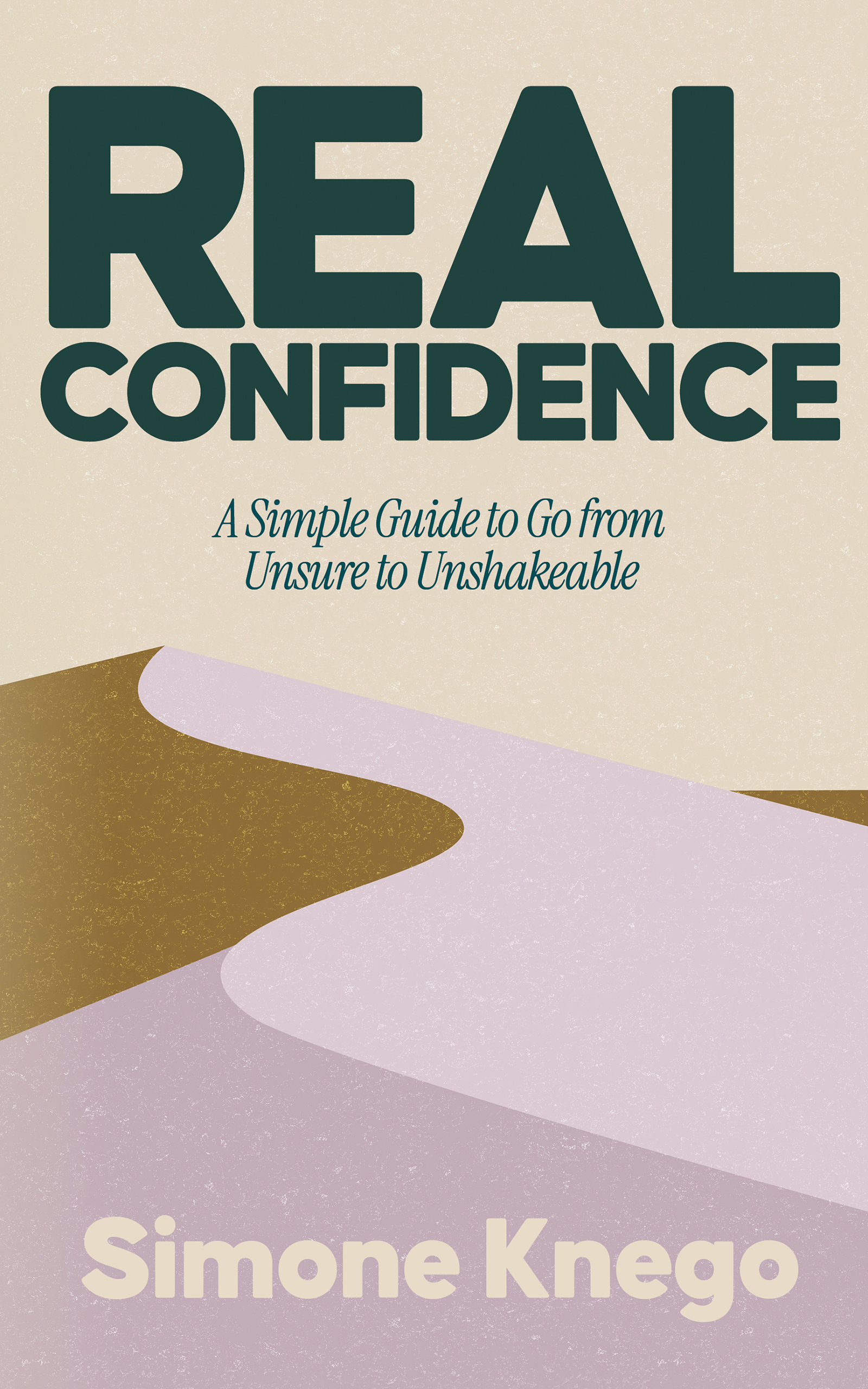
Pick up a copy of REAL Confidence: A Simple Guide to Go from Unsure to Unshakeable, a USA Today bestseller.
Related reading:
High-Performing Teams Need Psychological Safety — Harvard Business Review