Leaders stay confident under pressure with five habits: reset their thinking in under a minute, name the one decision that matters most, own their part out loud, keep their tone and standards steady, and practice confidence before the big moment arrives. Each one protects the clarity, ownership, and consistency that pressure tries to take away.
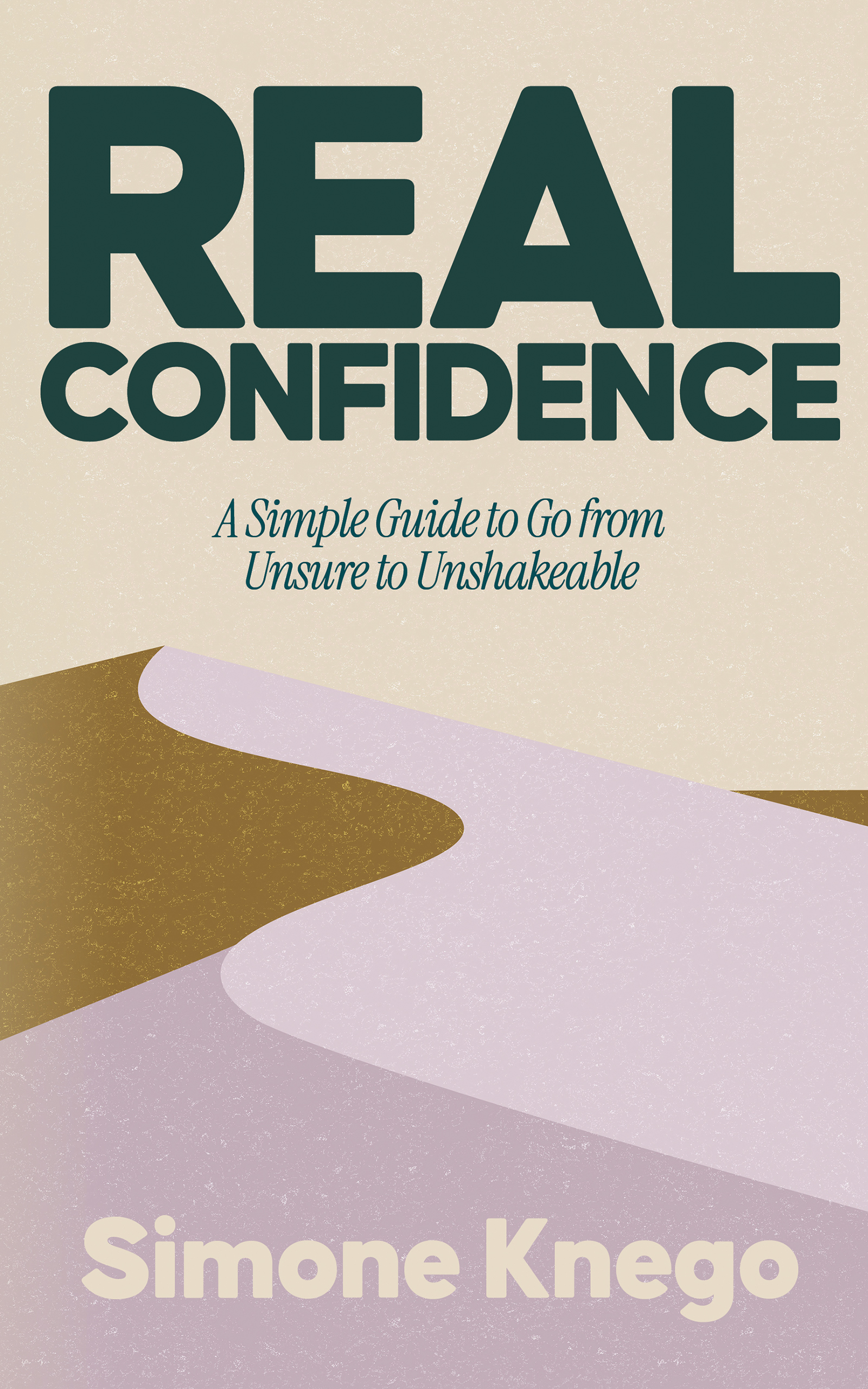
I’m a USA Today bestselling author, two-time TEDx speaker, and former CPA. These habits come from The REAL Method®, the four-step framework from my book REAL Confidence: Respect Yourself, Embrace Your Failures, Ask Yourself What You Want, and Live Without Limits.
| Way | Best for | Time it takes | Main tradeoff |
|---|---|---|---|
| 1. Reset your thinking | The moment panic starts | Under 1 minute | Works best once it’s a habit, so practice it on easy days too |
| 2. Name the one decision | Too many urgent requests at once | About 5 minutes | Other work waits, so tell people what’s on hold |
| 3. Own your part out loud | After a mistake or a missed goal | One conversation | Feels exposing the first few times |
| 4. Keep your tone steady | Tense meetings where your team is watching | Ongoing | Means pausing before you respond |
| 5. Practice before the pressure | Getting ready for high-stakes moments | 15 minutes a week | Results build over several weeks |
Why do leaders need these habits now?
Pressure is part of almost every workday. Gallup found that 50% of U.S. employees experienced a lot of stress during the previous day, and leaders are substantially more likely than individual contributors to say the same. When the stakes rise, even capable leaders second-guess decisions they’d normally make in seconds.
1. How do you reset your thinking in under a minute?
I learned how loud that inner story can get on a street in Stockholm. I was crossing the street with my eyes on my phone, trying to follow the GPS, when my heel caught in a rail track and I face-planted. My shirt was ripped and my Apple Watch was shattered. And my very first thought was, “Oh my gosh, who saw that?” It took me a moment to even ask whether I was okay.
My family saw the whole thing, and their first words were, “Are you okay?” The only person worried about how it looked was me. So I got back up and kept going.
That’s what the pressure to be perfect does. It makes us worry about how we look before we take care of ourselves. That’s why I use a quick mindset reset I call Ctrl-Alt-Delete. Ctrl means noticing the story you’re telling yourself and asking whether it’s real and whether it’s helpful. Alt means choosing a better story: “What if this goes wrong?” becomes “I’ve handled hard things before, and I can handle this.” Delete means letting go of habits that don’t serve you, like comparing yourself to others or replaying every mistake.
2. How do you decide what matters most when everything feels urgent?
Name the one decision that matters most right now, and write it down. Pressure makes everything feel equally urgent, which is how leaders end up reacting to ten things and finishing none.
Once you’ve picked it, tell your team what you’re focusing on and what can wait. This is Ask Yourself What You Want in action: decide what a good outcome looks like, then let that guide your next step.
3. Why should leaders own their mistakes out loud?
When you name your own mistakes, you show your team it’s safe to do the same, and problems surface faster. Hiding them does the opposite: people learn to stay quiet, and small issues grow.
This is Embrace Your Failures. Try a simple script: “Here’s what I missed, here’s what I’m doing about it, and here’s what I’d love your help with.”
4. How does a steady tone help your team under pressure?
Teams borrow their confidence from the people leading them. In the American Psychological Association’s 2025 Work in America survey, 10% of workers who were satisfied with their relationship with their manager described their work experience as toxic, compared with 55% of those who weren’t satisfied.
Consistency builds that relationship. Keep your standards, your tone, and your follow-through the same on hard days as on easy ones. When you feel yourself getting sharp, pause and take one breath before you answer. Respect Yourself means trusting that your experience is still there, even when the room gets tense.
5. How can you practice confidence before the pressure hits?
Confidence is a skill you build from the inside out, so practice it on purpose. Once a week, spend 15 minutes on one small stretch: speak first in a meeting, give feedback you’ve been putting off, or make a call without waiting for more data.
That’s Live Without Limits. Every rep gives you proof that you can handle pressure, so the big moments feel familiar when they arrive. For ways to build the same habit across your team, read How Do Leaders Build Confidence in Their Teams?
If your leaders are carrying more pressure than ever, my keynote REAL Confidence™ Under Pressure: How to Lead with Clarity, Ownership, and Consistency gives them these tools in one interactive session. Check my availability for your event.
Frequently asked questions
They reset their thinking quickly, name the one decision that matters most, own their part out loud, keep their tone steady, and practice confidence before high-stakes moments. The REAL Method® turns these into four habits: Respect Yourself, Embrace Your Failures, Ask Yourself What You Want, and Live Without Limits.
Yes. Gallup reports that leaders are substantially more likely than individual contributors to experience a lot of stress during the day.
Try Ctrl-Alt-Delete: notice the story you’re telling yourself, replace it with a more helpful one, and let go of habits like comparison. It takes less than a minute.
Sources
- Gallup, State of the Global Workplace 2026: United States data
- Gallup, State of the Global Workplace 2026
- American Psychological Association, 2025 Work in America Survey